
"Haiti coffee growing"
500 article(s) found

Coffee bean producing areas Caribbean Sea Haitian boutique coffee beans
Haiti, located in the north of the Caribbean Sea and west of Hispaniola Island, covers an area of about 27800 square kilometers. It is bordered by the Dominican Republic to the east, the Caribbean Sea to the south, the Atlantic Ocean to the north, and Cuba and Jamaica to the west across the Strait. It is an island country in the eastern Caribbean with a coastline of more than 1080 kilometers. The region where the country is located is on the circum-Pacific seismic belt. The whole territory is 3x4 for mountains.
What kind of coffee beans does China Coffee Network recommend? American Coffee Haitian Coffee Jamaica Blue Mountain Coffee
Haiti is trying to produce some high-quality coffee, despite well-known problems and fluctuating coffee quality from politically troubled countries. Most of the coffee produced in Haiti is grown in a purely natural state, which is not intentional but the result of material shortage because farmers are too poor to buy it.
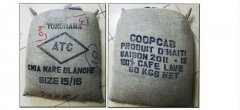
Haitian Fine Coffee Mare Blanche COOP CAB Coffee grower Cooperative
The mention of Haiti has to remind people of the 2010 Haiti earthquake and the poverty and backwardness of the region, no one will remember Haitian coffee, because the local production conditions are extremely backward and the growth of coffee trees can only be achieved by the unique local climatic conditions, while Thio-tte Mare Blanche in southeastern Haiti has the unique climatic conditions for producing quality coffee. Mare

Introduction to the flavor and taste characteristics of Dominica Santo Domingo coffee with fresh, elegant and full grains
Flavor and taste characteristics: fresh and elegant, full particles, excellent acidity, pleasant aroma. The Dominican Republic is located in the east of the island of Haiti in the West Indies, bordering the Republic of Haiti to the west, the Atlantic Ocean to the north and the Caribbean Sea to the south. With an area of about 49000 square kilometers and a population of 7.1 million, the Dominican Republic and the Republic of Haiti coexist on an island bordering Haiti. Like its neighbors.

Introduction to excellent Dominica Coffee Flavor description, Variety characteristics, Fine Coffee
The Republic of Dominica (Dominican Republic) is adjacent to Haiti, and both own the island of Hispaniola (Hispaniola). Like its neighbours, the Dominican Republic had a history of revolution and poverty, but now it has democratic elections and the country is relatively stable. In the early 18th century, coffee was grown in the Dominican Republic, the best production.

Introduction to the fresh and elegant growing environment of Dominican boutique coffee beans
In 1677, about 4,000 French lived in 11 villages in the west of the island. In 1697, France and Spain ceded the western part of the island to France according to the Leswick Treaty of the Alliance War, formally recognizing French sovereignty over Haiti in the western part of the Spanish island, and the eastern part of the Spanish island was called East Santo Domingo. France continues to develop its agricultural economy on the island of Hispaniola.

Haitian coffee boutique coffee flavor coffee beans
Despite well-known problems and fluctuating coffee quality from politically troubled lands, Haiti is still trying to produce some high-quality coffee. Most of the coffee produced in Haiti is grown in a purely natural state, which is not intentional but the result of material shortage, because farmers are too poor to buy sterilization.
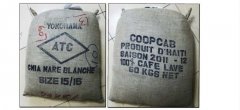
Boutique coffee beans Haitian boutique coffee Mare Blanche
The mention of Haiti has to remind people of the 2010 Haiti earthquake and the poverty and backwardness of the region, no one will remember Haitian coffee, because the local production conditions are extremely backward and the growth of coffee trees can only be achieved by the unique local climatic conditions, while Thio-tte Mare Blanche in southeastern Haiti has the unique climatic conditions for producing quality coffee. Mare

Boutique Coffee Bean Manor introduction-- Haitian Coffee Origin
Despite well-known problems and fluctuating coffee quality from politically troubled lands, Haiti is still trying to produce some high-quality coffee. Most of the coffee produced in Haiti is grown in pure natural form, which is not intentional but the result of material shortage, because farmers are too poor to buy sterilization.

The quality of Haitian coffee fluctuates from time to time.
Despite well-known problems and fluctuating coffee quality from politically troubled lands, Haiti is still trying to produce some high-quality coffee. Most of the coffee produced in Haiti is grown in a purely natural state, which is not intentional but the result of material shortage, because farmers are too poor to buy sterilization.
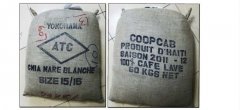
Haitian boutique coffee Mare Blanche
The mention of Haiti has to remind people of the 2010 Haiti earthquake and the poverty and backwardness of the region, no one will remember Haitian coffee, because the local production conditions are extremely backward and the growth of coffee trees can only be achieved by the unique local climatic conditions, while Thio-tte Mare Blanche in southeastern Haiti has the unique climatic conditions for producing quality coffee.
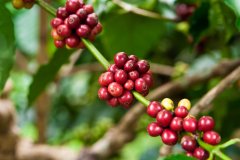
Haitian coffee is full-grained, rich in flavor, medium to low acidity and mild in taste.
Despite well-known problems and fluctuating coffee quality from politically troubled lands, Haiti is still trying to produce some high-quality coffee. Most of the coffee produced in Haiti is grown in a purely natural state, which is not intentional but the result of material shortage, because farmers are too poor to buy sterilization.

Haitian coffee has full grains, rich flavor, medium to low acidity and mild taste.
Despite well-known problems and fluctuating coffee quality from politically troubled lands, Haiti is still trying to produce some high-quality coffee. Most of the coffee produced in Haiti is grown in a purely natural state, which is not intentional but the result of material shortage, because farmers are too poor to buy sterilization.
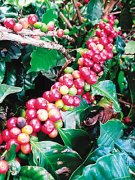
Haitian coffee has full grains, rich flavor, medium to low acidity and mild taste.
Despite well-known problems and fluctuating coffee quality from politically troubled lands, Haiti is still trying to produce some high-quality coffee. Most of the coffee produced in Haiti is grown in a purely natural state, which is not intentional but the result of material shortage, because farmers are too poor to buy sterilization.

Introduction to the characteristics of Dominica Coffee Flavor and taste Manor
In 1677, about 4,000 French lived in 11 villages in the west of the island. In 1697, France and Spain ceded the western part of the island to France according to the Leswick Treaty of the Alliance War, formally recognizing French sovereignty over Haiti in the western part of the Spanish island, and the eastern part of the Spanish island was called East Santo Domingo. France continues to develop its agricultural economy on the island of Hispaniola.

A brief introduction to the market price of Dominica Santo Domingo coffee varieties with mellow taste
The temperate climate in Dominica is conducive to coffee cultivation, and the best places to grow coffee are the Barahona region in the southwest and the Cibao Valley north of Santiago, Dominica's second largest city. The northern region, represented by Hibao, and the southern region, including Okayabani Santo Domingo, produce good coffee. Among them, Santo
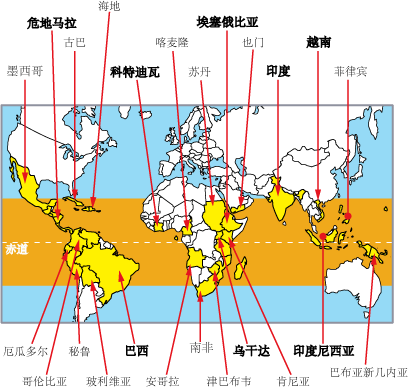
Introduction of Coffee beans Distribution Map of Coffee growing areas in the World
1. Costa Rica Costa Rica 2. Cuba Cuba 3. Dominican Republic Dominican Republic 4. Ei Salvador El Salvador 5. Guadeloupe Guadeloupe 6. Guatemala Guatemala 7. Haiti Haiti 8. Honduras Honduras 9. Jamaica Jamaica 10. Martinique Martinique 11. Mexico Mosi

Introduction to boutique coffee beans in the manor with a pleasant flavor of Dominican coffee.
L'Or é al arrived in Santo Domingo in 1801. He abolished slavery on behalf of the French government. In 1802, Napoleon sent troops to conquer the whole island and ruled for several months. In October 1802, mixed-race and black people revolted against French rule and repelled the French army in 1803. On January 1, 1804, the rebels declared Santo Domingo independent and established the Republic of Haiti. But be defeated.

Faintly fruity boutique coffee in Dominica: a brief introduction to geographical location, climate and altitude
With an area of about 49000 square kilometers and a population of 7.1 million, the Dominican Republic and the Republic of Haiti coexist on an island bordering Haiti. Like its neighbours, the Dominican Republic had a history of revolution and poverty, but now it has democratic elections and the country is relatively stable. In the early 18th century, coffee was introduced from Martinique to Domiga, with Shebao as